Seven sectors · One voltage band
Different plants, different failures
A transformer in a textile mill fails differently from one on a utility feeder, in a diamond unit or in a pharmaceutical plant room. These are the seven sectors we work in, and what each of them is actually solving for.
01 — Sector
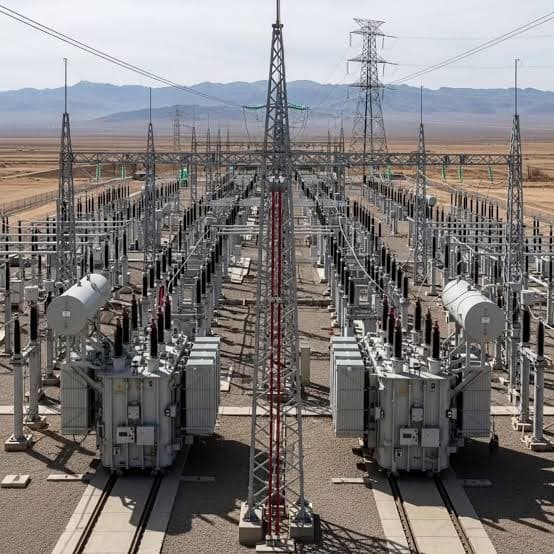
Power Utilities & DISCOMs
The problem
A distribution utility owns thousands of transformers spread across a network, most of them lightly loaded for most of their lives and none of them convenient to reach. No-load loss is paid for on every one of them, every hour, whether or not anybody is drawing power.
What we supply
Distribution transformers built under our BIS licence to IS : 1180, where core geometry and winding quality — the two things that set no-load loss — are decided on our own floor rather than bought in. Failed units across the network are rewound and returned rather than replaced, which is the difference between a repair budget and a capital one.
02 — Sector
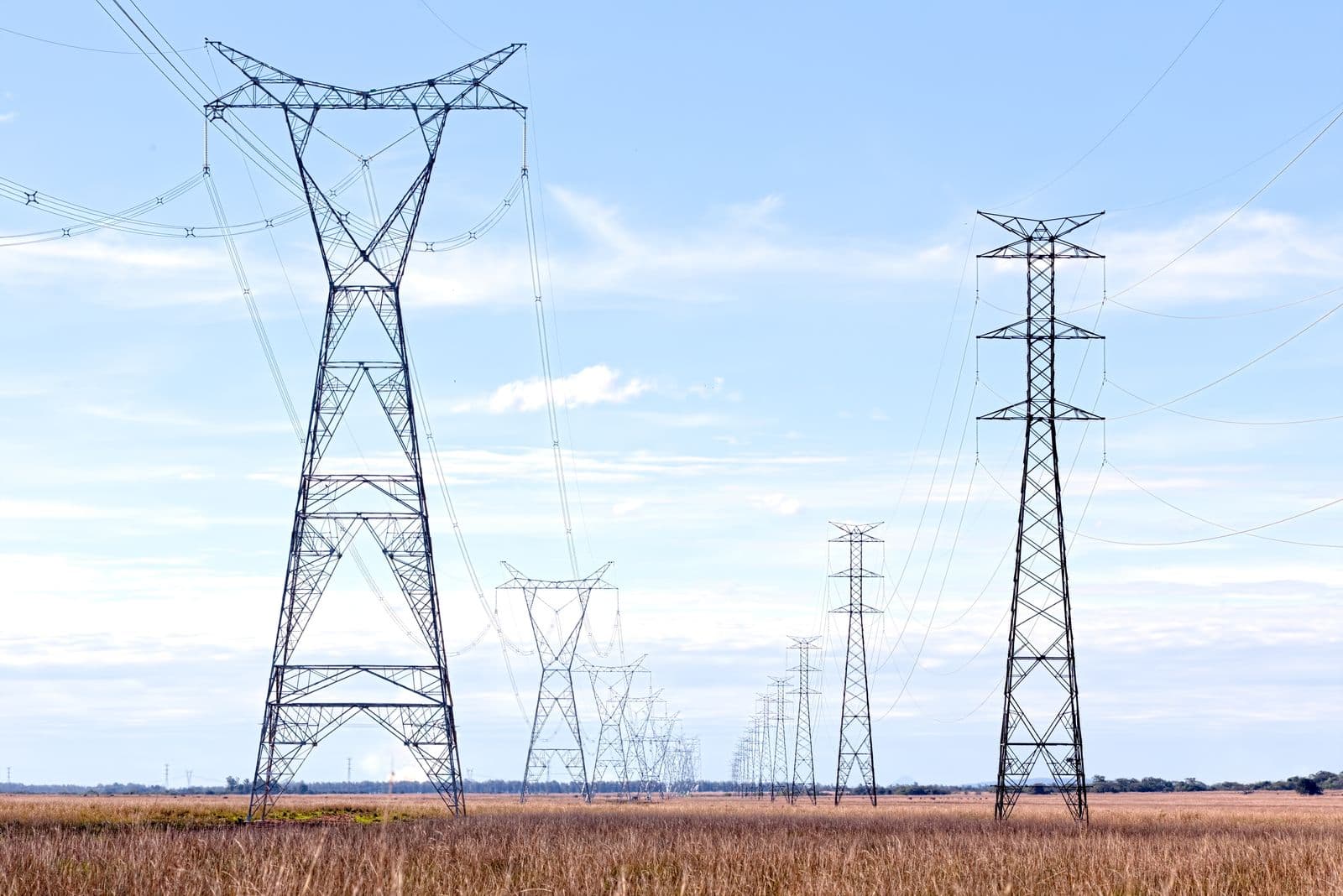
Manufacturing & Engineering
The problem
A works transformer runs closer to its rating for longer than almost anything on the network, and a failure stops production rather than inconveniencing consumers. The cost of the outage is usually an order of magnitude above the cost of the transformer.
What we supply
Power and distribution units specified around the real duty cycle rather than the nameplate load, plus onsite maintenance that catches degrading oil and failing gaskets during planned downtime instead of during a shift. When a rewind is unavoidable, the diagnosis and the repair happen in the same building.
03 — Sector
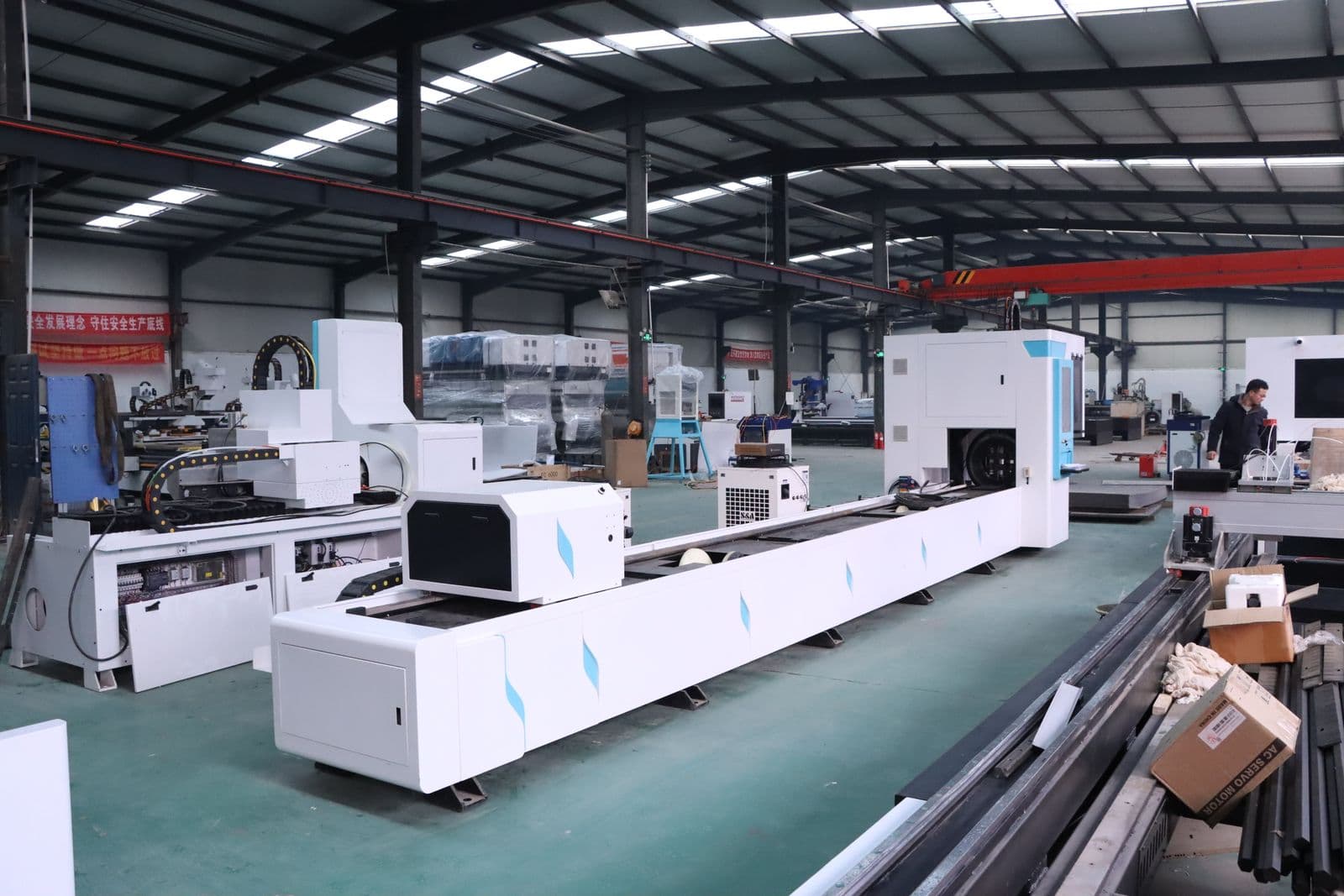
Chemical & Petrochemical
The problem
Corrosive atmospheres attack tanks, radiators and bushings far faster than they do inland, and the classified areas around a process plant put hard constraints on where an oil-filled unit may sit and how it must be contained. Ankleshwar, Vapi and Hazira are all this problem.
What we supply
Units specified for the atmosphere they will actually live in, with paint systems and fittings chosen accordingly, and scheduled site attendance that finds corrosion and leaks while they are still cosmetic. Oil filtration onsite avoids moving a unit out of a classified area at all.
04 — Sector
Textile & Processing
The problem
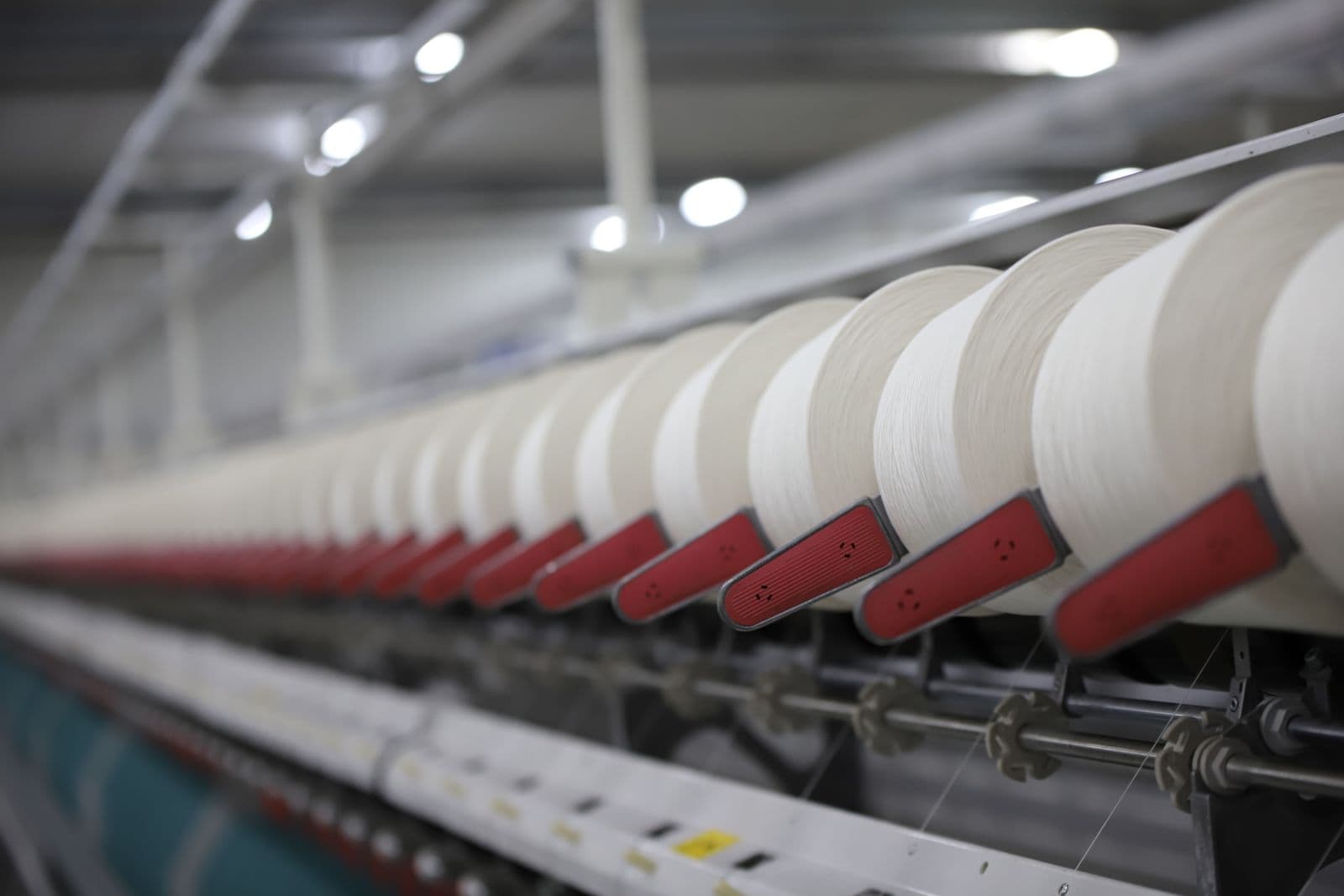
Surat runs on textile processing, and the loads are unforgiving: continuous three-shift operation, heavy motor starting, airborne lint and dust that block cooling surfaces, and ambient temperatures inside a mill that sit well above the design assumption.
What we supply
Transformers sized against the real ambient and duty rather than a standard-condition rating, and a maintenance regime that treats blocked radiators and lint accumulation as the thermal problem they are. We are twenty minutes from most of the mills we serve.
05 — Sector
Diamond & Jewellery
The problem
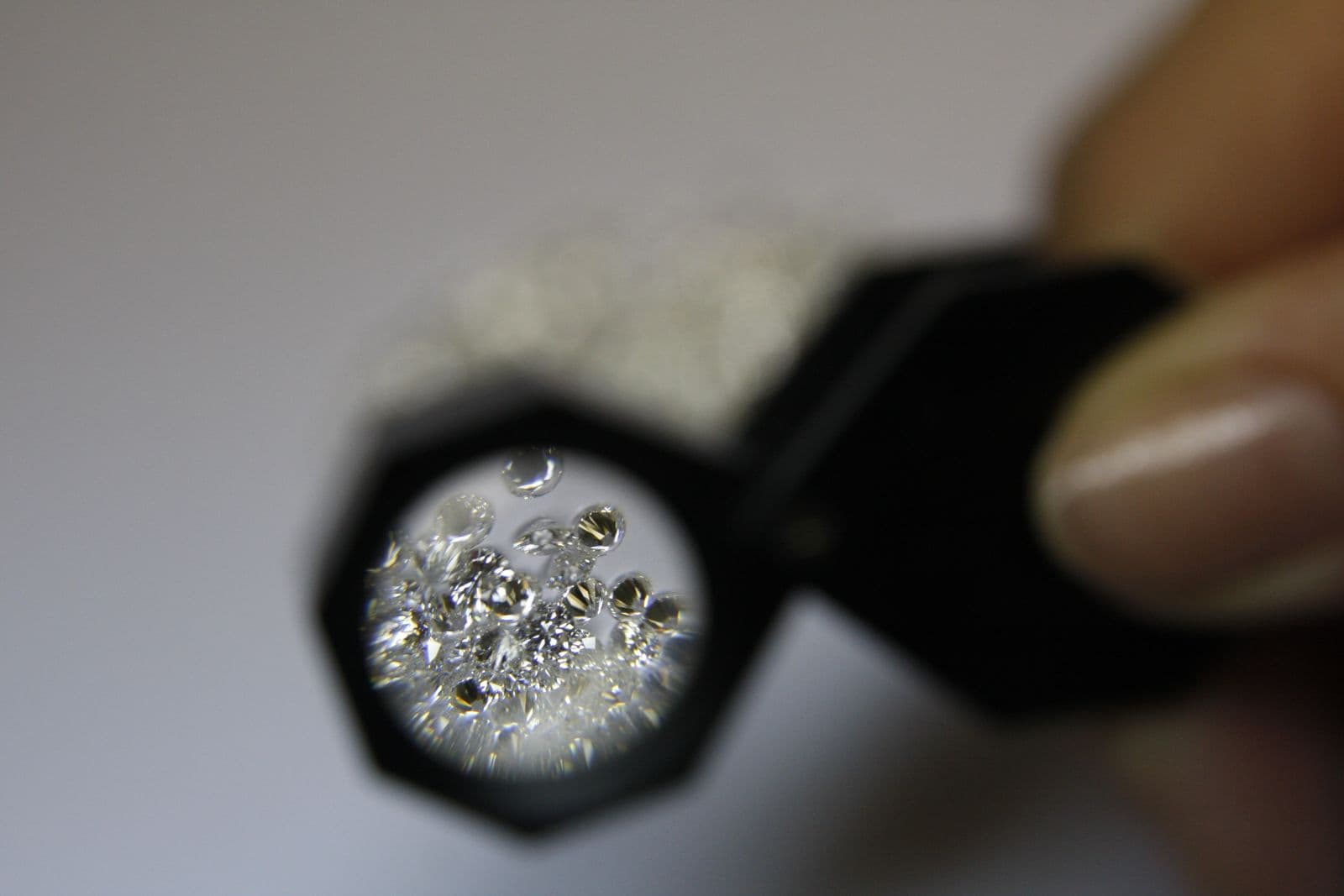
Most of the world’s diamonds are cut and polished in Surat, and the units that do it sit on tight city plots in Varachha, Katargam and Mahidharpura — multi-storey buildings with hundreds of polishing spindles and laser sawing machines running through the day, and no yard to put a transformer in. A supply fault stops every wheel in the building, and a stone on a laser bench when the power drops can cost more than a month of electricity.
What we supply
Distribution transformers for the metered supply, package substations where the plot has no room for a conventional switchyard, and dry-type units where the transformer has to sit indoors under occupied floors. Onsite maintenance is scheduled around the working day, and the works at Sachin is a drive across Surat, not a day’s travel.
06 — Sector
Pharmaceutical & Healthcare
The problem
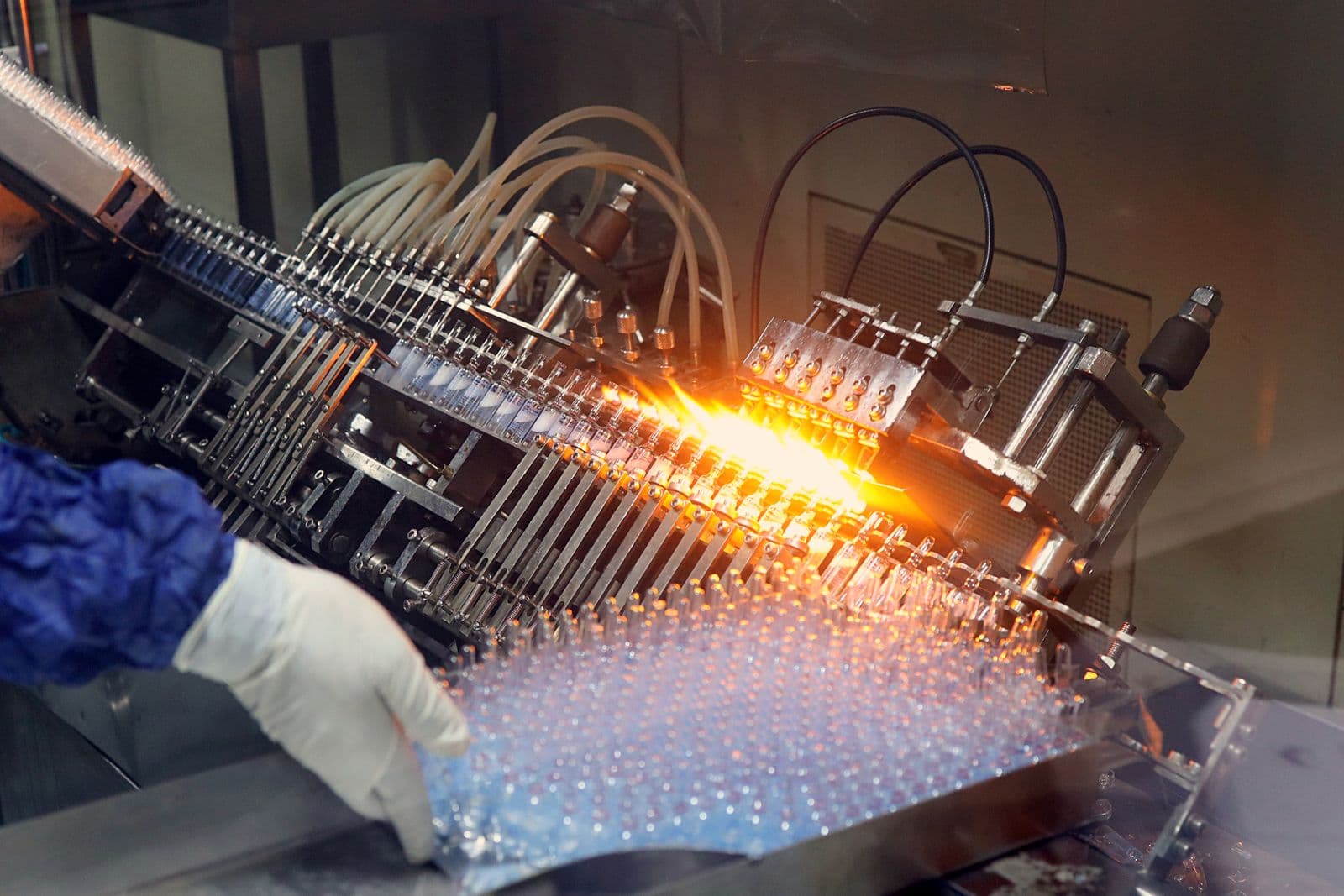
Clean rooms, cold chains and validated processes do not tolerate an unplanned interruption, and the transformer often sits indoors inside or beneath occupied space — which rules out an oil fire risk regardless of what the electrical case says.
What we supply
Dry-type units where oil is unacceptable, specified around insulation class and noise rather than efficiency alone, and a preventive maintenance schedule built around planned shutdown windows instead of reactive attendance.
07 — Sector
Infrastructure & Renewables
The problem
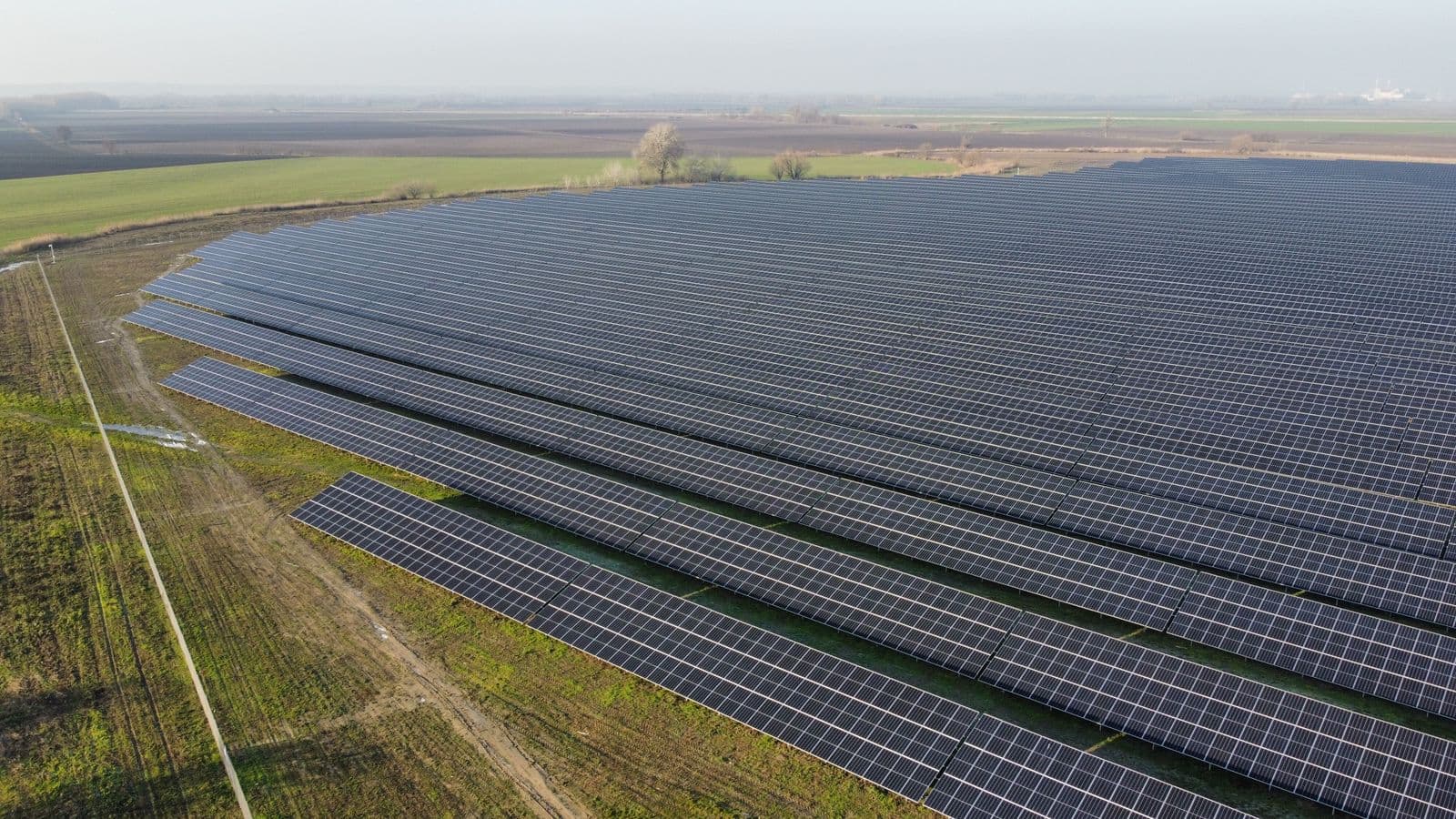
Solar plants need step-up and auxiliary transformers that spend their lives cycling — full output at midday, nothing at night — which is a different ageing problem from continuous industrial duty. Commercial developments and campuses face the opposite issue: units buried in basements where oil is a fire-code problem.
What we supply
Step-up and auxiliary units for generation sites, and dry-type transformers where the installation sits under occupied floors. Both are within the same 11 kV to 66 kV band we have built in since 1988.
Where we work
South Gujarat, from Sachin
Manufacturing serves the whole of India. Onsite maintenance and oil filtration are travel-limited, and these are the areas we cover routinely.
- Surat
- Sachin
- Hazira
- Ankleshwar
- Bharuch
- Vapi
- Valsad
- Navsari
- Vadodara
- Ahmedabad
Enquiries
Tell us about your installation
Sector, site conditions, load profile and what has failed before. That is usually enough for us to say something useful on the first call.