No transport, no crane
Work happens where the transformer stands. Nothing is moved that does not have to be.
Onsite Maintenance
Scheduled and breakdown maintenance carried out at your site, so units that cannot be moved do not have to be. Our engineers travel with the tooling and instruments needed to inspect, service and recommission a transformer in place.
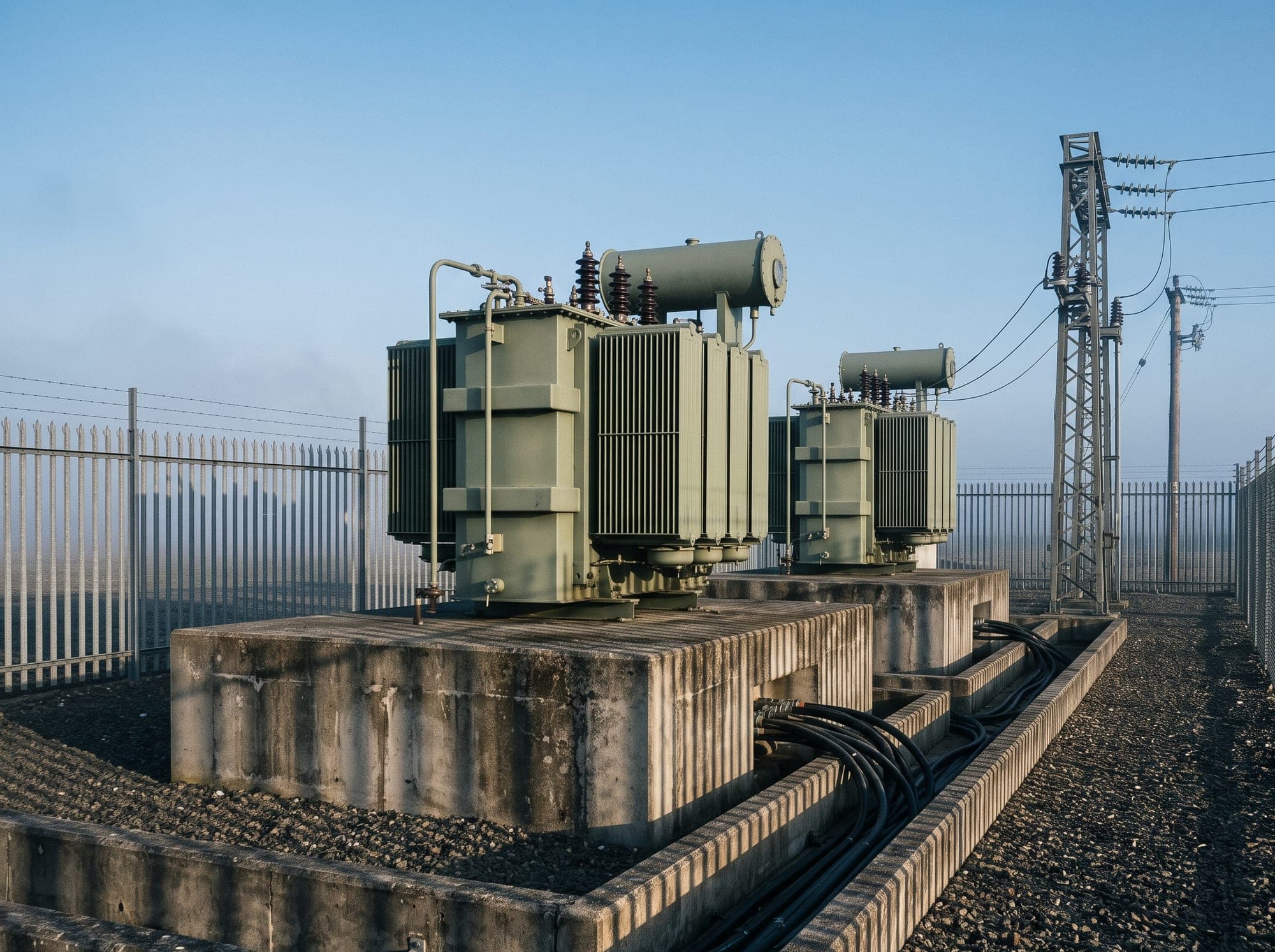 Illustration
Overview
Most transformer work does not need the transformer to move. Inspection, gasket and bushing replacement, oil sampling, thermal checks and recommissioning are all site activities, and moving a multi-tonne unit to a works to do them is expensive and unnecessary.
It also removes the worst part of a transformer failure, which is not the repair cost but the outage. A team that can attend site, diagnose and in many cases fix the problem in place is the difference between a shift of downtime and a week of it.
For anything that genuinely cannot be done in place, the same team handles removal and our works handles the rewind — so the diagnosis and the repair are not split across two companies who each blame the other.
Process
These steps happen in this order. The numbering is a sequence, not decoration — each step depends on the one before it.
Visual inspection of tank, bushings, radiators, conservator, breather and protection devices, plus a check of the load and temperature history if records exist.
Insulation resistance, winding resistance and ratio checks as appropriate, with results compared against the unit’s own commissioning figures rather than a generic threshold.
Oil is sampled and its dielectric strength assessed. Oil condition is the earliest reliable warning of a developing problem inside a sealed tank.
Gaskets, bushings, breathers and accessories are replaced in place. Leaks are dealt with before they become oil-level problems.
Where the oil has degraded, it is filtered and dehydrated onsite rather than replaced, restoring dielectric strength at a fraction of the cost.
Pre-energising checks are completed and the unit is returned to service, with a written record of what was found and what was done.
Benefits
Work happens where the transformer stands. Nothing is moved that does not have to be.
Attendance and in-place repair turns a multi-day removal into a far shorter interruption.
Scheduled visits catch leaks, blocked breathers and degrading oil while they are still cheap to fix.
If site work uncovers something that needs a rewind, the works doing it is ours — the diagnosis does not get handed off.
Industries served
The sectors where this service comes up most, and the products it most often applies to.
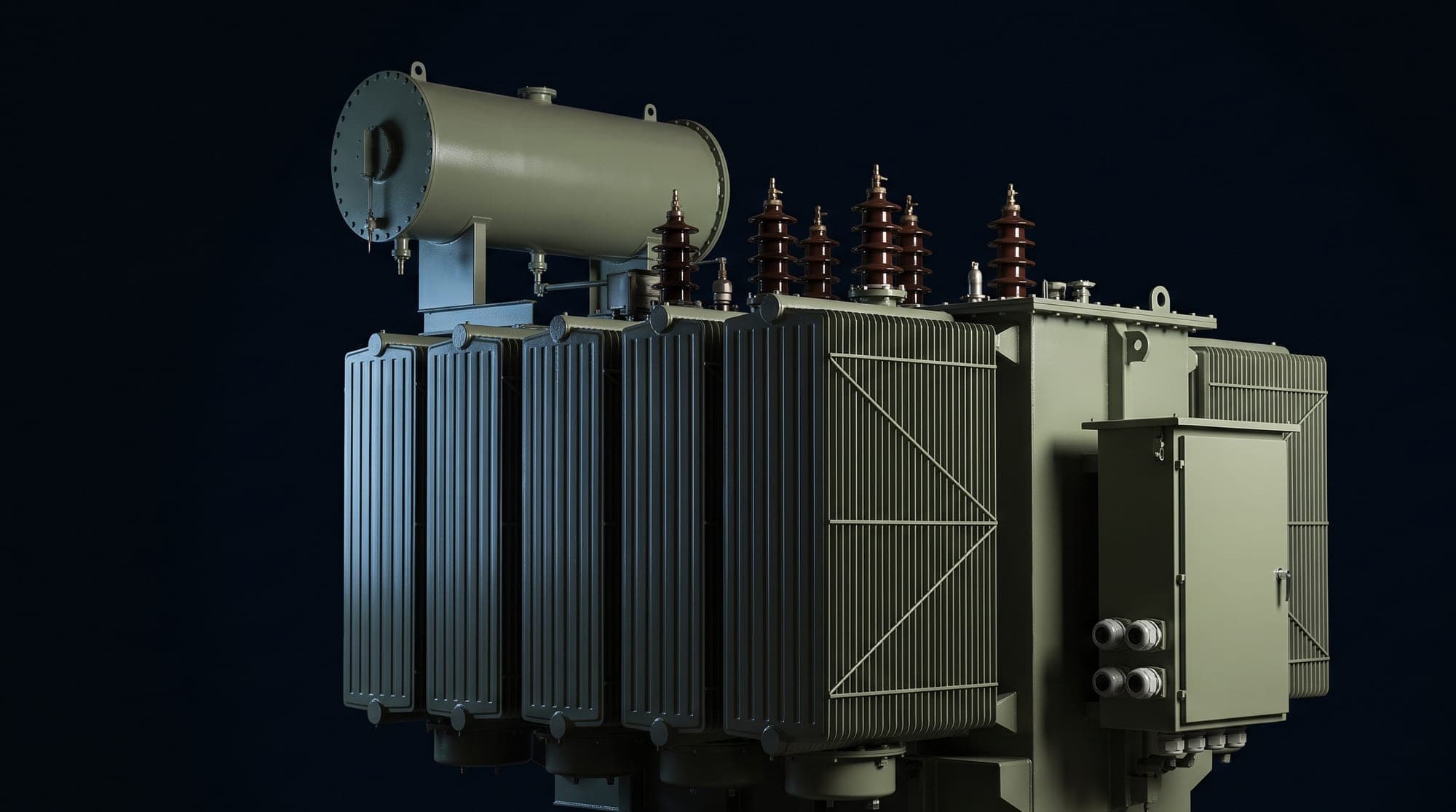
Higher-capacity units for substations and heavy industrial loads.
View product →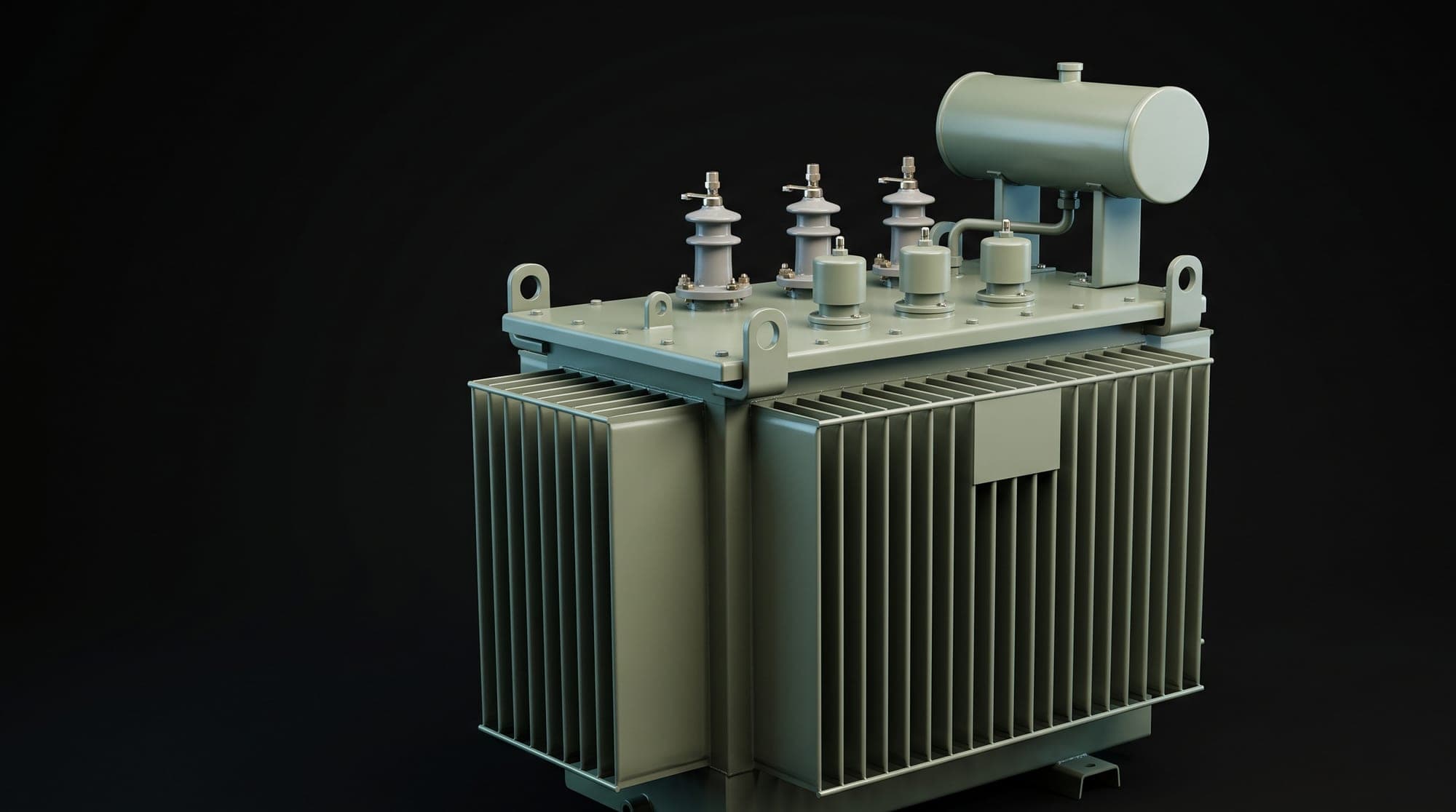
Oil-cooled units for distribution networks, built and tested in-house to IS : 1180.
View product →Knowledge Centre
A practical monthly, annual and five-yearly schedule for plant transformers — what to check, what to record, and which readings actually predict failure.
Read article →Questions
It depends on duty and environment more than on a fixed calendar. A lightly loaded distribution unit in clean air needs far less attention than a heavily loaded transformer in a dusty or corrosive plant. As a general position: visual checks and oil level monthly, a fuller inspection with oil sampling annually, and thermal imaging under load once a year. Adjust from there based on what the first year of results shows.
Both. Scheduled preventive visits are the cheaper half of the equation, but breakdowns are the reason the service exists. Call the mobile number for a breakdown — it is the fastest route to an engineer.
We work throughout South Gujarat from our base in GIDC Sachin — Surat, Hazira, Ankleshwar, Bharuch, Vapi, Valsad and Navsari — and travel further within Gujarat for larger jobs. Tell us the site location when you call.
Yes. Onsite maintenance, oil filtration and repair are all offered on units of any make. What we need is the rating plate data and whatever service history exists.
Enquiries
Tell us the make, rating and what the problem is. For breakdowns, call the mobile number directly — it is the fastest route to an engineer.