No oil, no fire load
Nothing to bund, nothing to leak into a basement, and no oil fire risk in an occupied building.
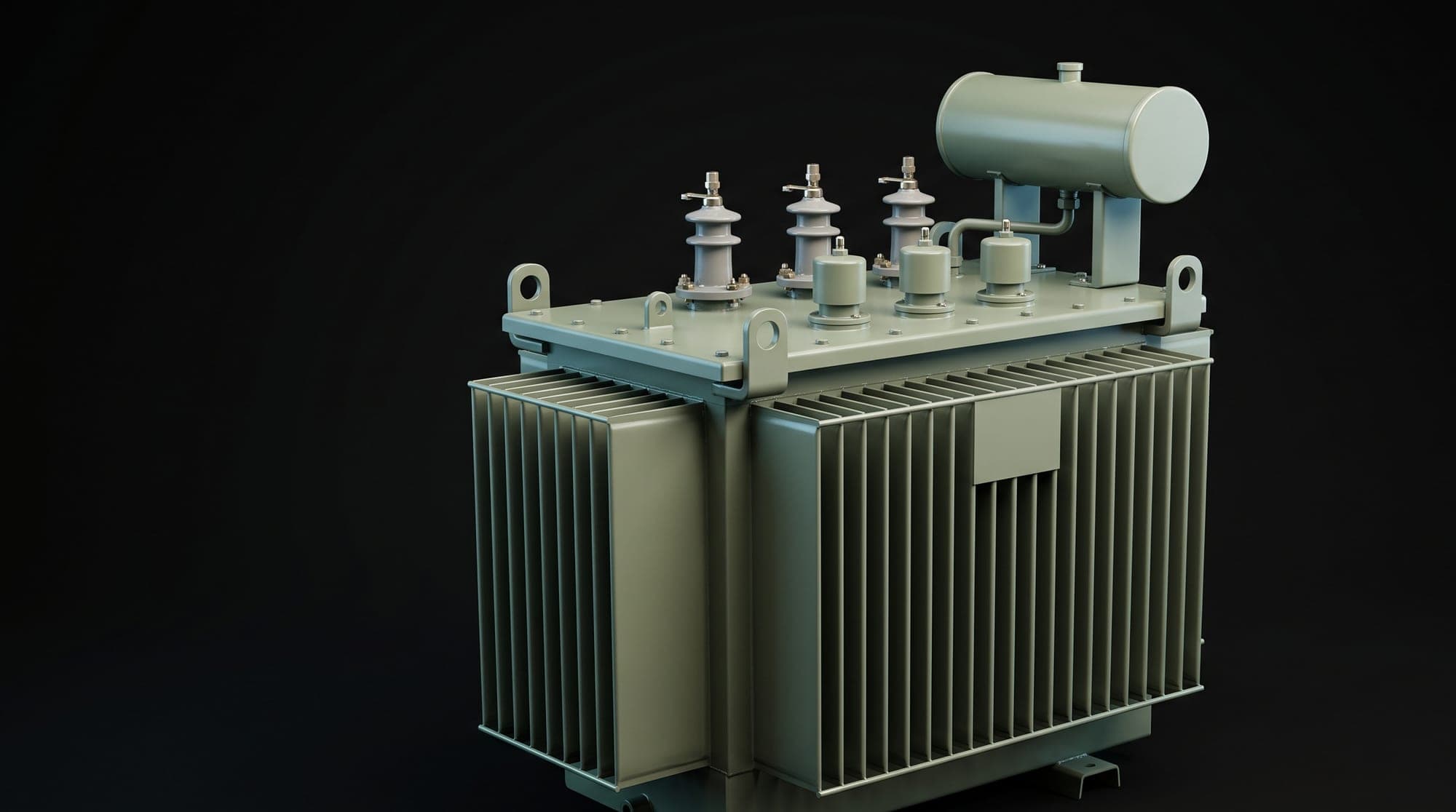
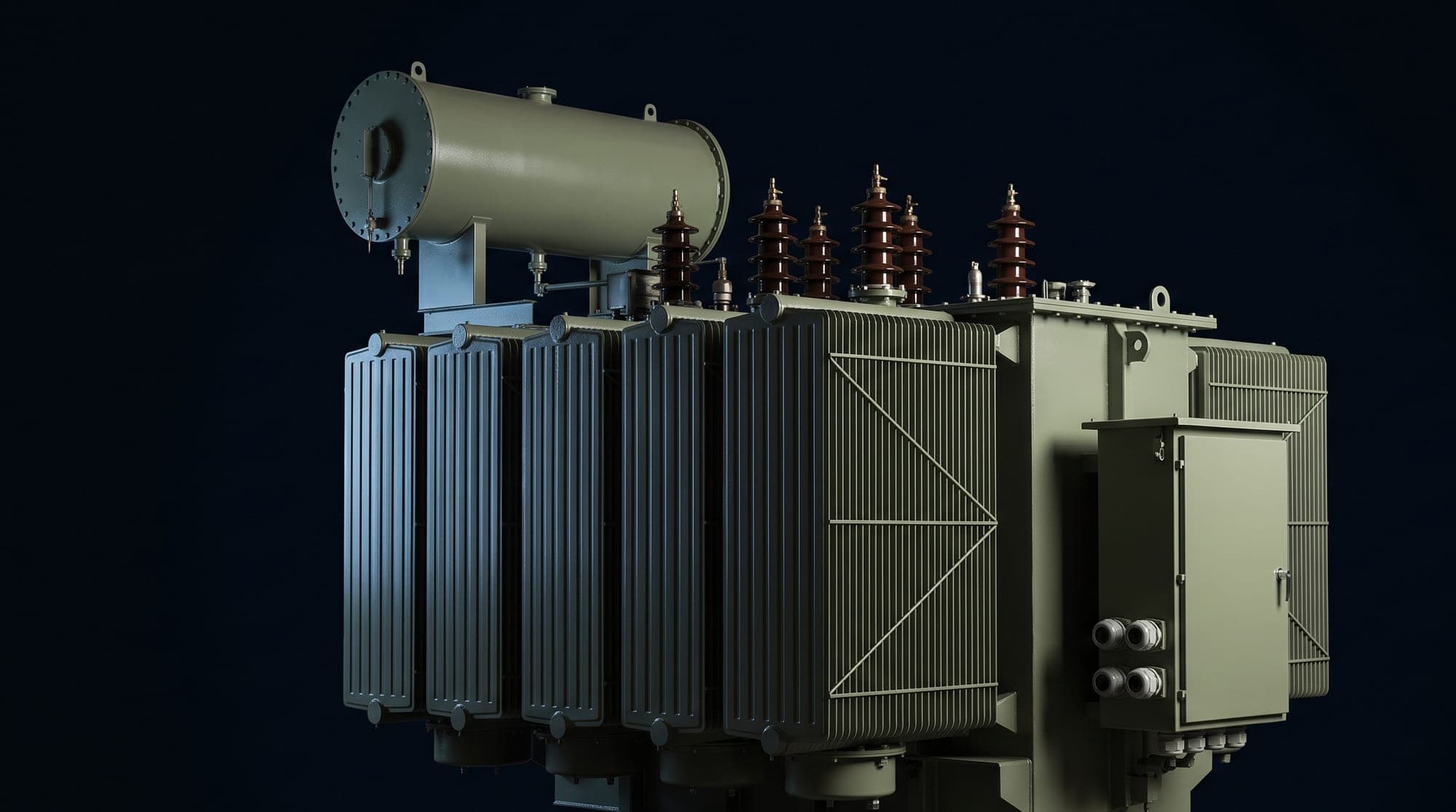
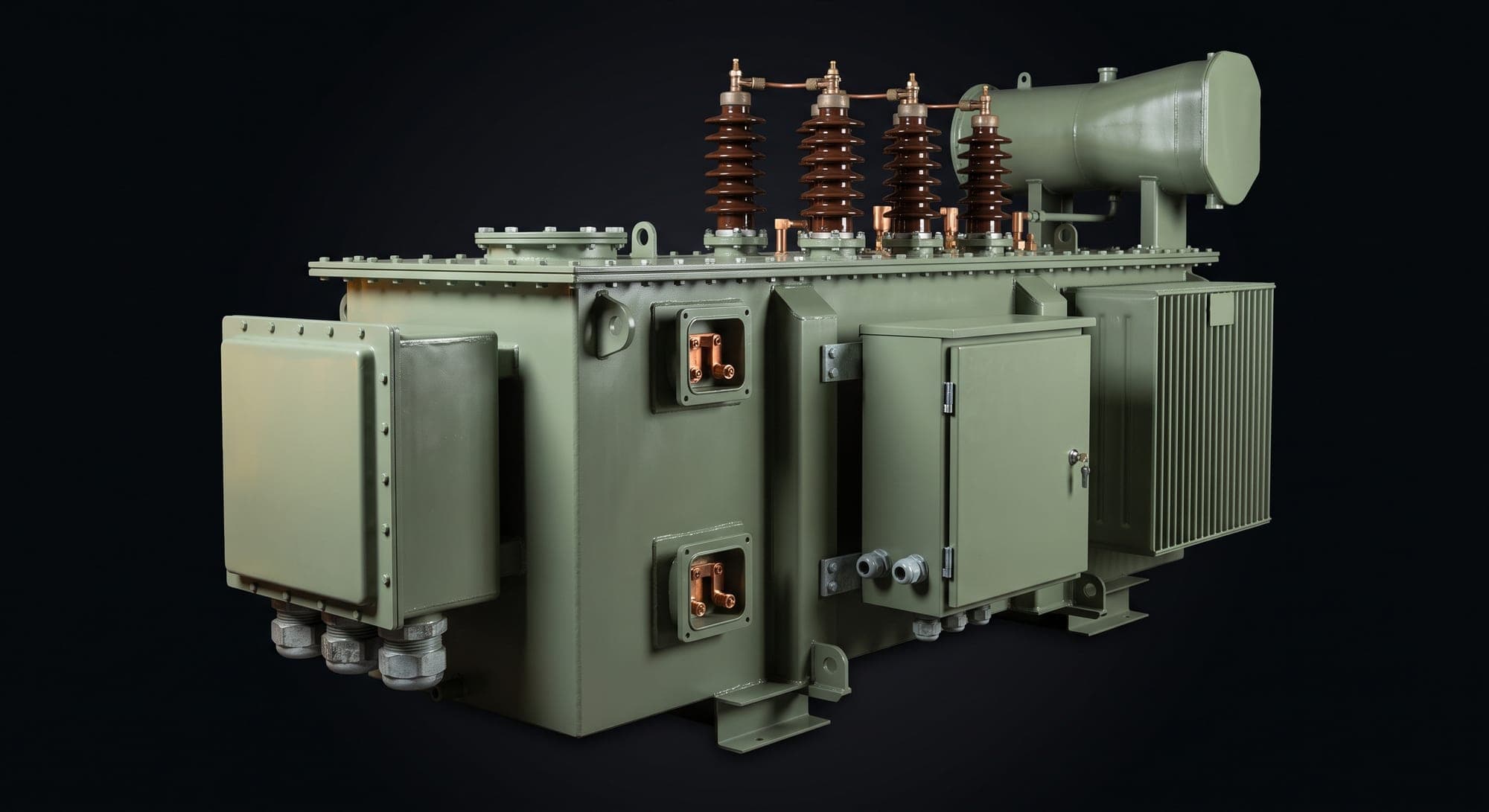
Illustration — representative of the product type
11 – 33 kV
Dry-type transformers for installations where oil is unacceptable — indoor substations, commercial basements and fire-sensitive plant. Class-rated insulation on both windings, with no oil to contain, filter or leak, and a correspondingly lighter maintenance regime.
Overview
A dry-type transformer solves a problem that has nothing to do with electrical performance: oil is flammable, and it has to go somewhere if the tank is breached. In a basement substation, a hospital, a shopping centre or a plant room above occupied space, that risk drives the specification more than efficiency does.
Removing the oil removes the bund, the fire barrier, the oil testing regime and the filtration schedule. What replaces it is a solid insulation system with a defined temperature class, which is the parameter to specify carefully — it sets both the permitted temperature rise and the practical life of the windings.
Dry-type units are typically noisier and less efficient than an equivalent oil-filled transformer, and they cost more per kVA. Where the installation allows oil, oil is usually the better engineering answer. Where it does not, this is the alternative.
Built to order. Send your required rating and voltage class and we will confirm against your specification.
Key features
Nothing to bund, nothing to leak into a basement, and no oil fire risk in an occupied building.
Solid insulation with a defined temperature class governing permitted rise and winding life.
No oil sampling, no BDV testing and no filtration schedule — inspection is largely visual and thermal.
Designed for plant rooms, basements and installations directly beneath occupied floors.
Applications
The sectors this unit is specified for most often, and what each of them is actually solving for.
Clean rooms, cold chains and validated processes do not tolerate an unplanned interruption, and the transformer often sits indoors inside or beneath occupied space — which rules out an oil fire risk regardless of what the electrical case says..
View sector →Solar plants need step-up and auxiliary transformers that spend their lives cycling — full output at midday, nothing at night — which is a different ageing problem from continuous industrial duty.
View sector →A works transformer runs closer to its rating for longer than almost anything on the network, and a failure stops production rather than inconveniencing consumers.
View sector →Most of the world’s diamonds are cut and polished in Surat, and the units that do it sit on tight city plots in Varachha, Katargam and Mahidharpura — multi-storey buildings with hundreds of polishing spindles and laser sawing machines running through the day, and no yard to put a transformer in.
View sector →Related
Service
Built from core to tank, under one roof
Read more →Service
Our team at your substation
Read more →Knowledge
The dividing line is duty, not size. How load profile, loss economics and impedance decide which type a job actually needs.
Read article →Questions
When the installation cannot tolerate an oil fire risk or an oil spill. That usually means indoor substations, basements, plant rooms under occupied floors, hospitals, and buildings where a bund and fire barrier would be impractical or expensive. If the transformer can sit outdoors on a plinth with proper containment, an oil-filled unit is generally more efficient and cheaper per kVA.
It sets the maximum temperature the insulation system can run at continuously without ageing prematurely, and therefore the permitted temperature rise above ambient. A higher class allows more rise for the same life, which lets a smaller unit carry a given load. It is the single most important number on a dry-type specification, and it should be matched to the real ambient and load profile, not to the best case.
Less, but not none. There is no oil regime, but the windings still need to be kept clean and the cooling air path clear — accumulated dust is both an insulation problem and a thermal one. Periodic visual inspection, thermal imaging under load, and checking that ventilation has not been obstructed by later building work covers most of it.
Generally yes, and it matters because they are usually installed indoors near people. Without an oil-filled tank to damp core magnetostriction, more of the core noise reaches the room. Where the unit sits near occupied space, the noise level should be specified explicitly rather than assumed.
Related products
Enquiries
Send us the rating, voltage class, vector group and quantity. For a like-for-like replacement, a photograph of the existing rating plate is usually enough.