Onsite, no shutdown to move the unit
Filtration happens where the transformer stands. Nothing is transported.
Transformer Oil Filtration
Transformer oil degrades with moisture, particulates and dissolved gas long before the unit itself fails. We filter and dehydrate oil onsite to restore its dielectric strength, which is the cheapest life-extension available on any transformer.
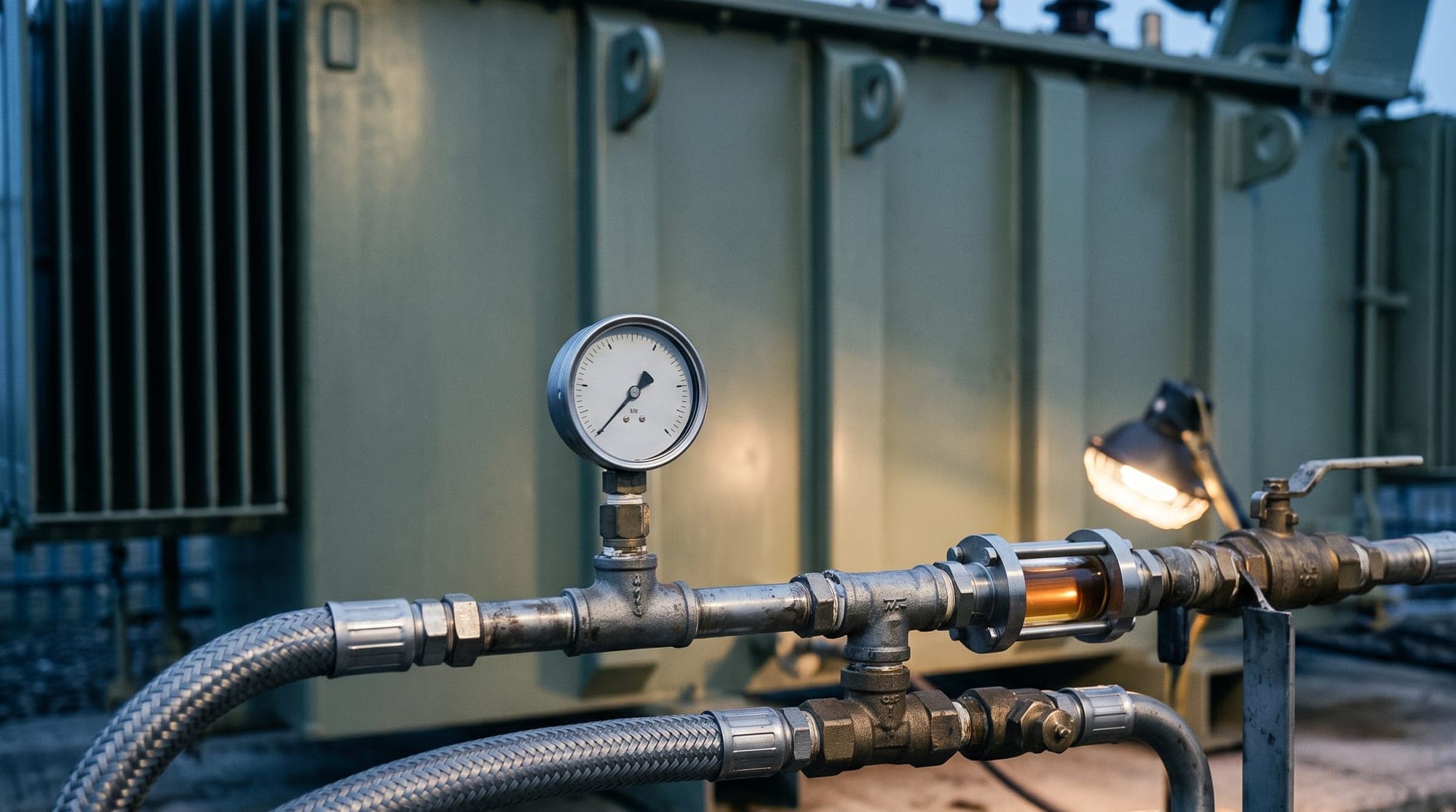 Illustration
Overview
Insulating oil does two jobs: it carries heat away from the windings, and it is part of the insulation system. Both degrade as the oil takes on moisture and particulates. Dielectric strength falls, and once it falls far enough the oil stops being insulation and starts being a fault path.
The important point is that this happens gradually and invisibly. A transformer with badly degraded oil looks exactly like a healthy one from the outside, right up until it does not. Oil testing is the only way to see it coming.
Filtration is the cheapest intervention in the whole transformer maintenance repertoire. It happens onsite, it does not require the unit to move, and it directly extends the life of windings that would otherwise age faster in wet oil. Measured against the cost of a rewind, it is not a close comparison.
Process
These steps happen in this order. The numbering is a sequence, not decoration — each step depends on the one before it.
A representative sample is drawn from the tank under conditions that do not contaminate it — how the sample is taken matters as much as what is done with it.
Breakdown voltage is measured to establish the starting condition, giving a baseline the post-filtration figure can be judged against.
Oil is circulated through the filtration plant, where particulates are removed and moisture is drawn off under vacuum. This runs onsite with the unit in place.
Dielectric strength is re-tested to confirm the treatment achieved what it needed to, and the before-and-after figures are recorded.
Oil level is corrected, gaskets and the breather are checked, and any ingress path that caused the moisture in the first place is dealt with.
You get the before and after figures in writing, which is what makes the next interval a decision rather than a guess.
Benefits
Filtration happens where the transformer stands. Nothing is transported.
BDV before and after, in writing. You can see what the treatment achieved.
Insulation ages faster in wet oil. Removing the moisture slows the clock on the most expensive part of the machine.
Compared against the cost of a rewind, filtration is not a close comparison.
Industries served
The sectors where this service comes up most, and the products it most often applies to.
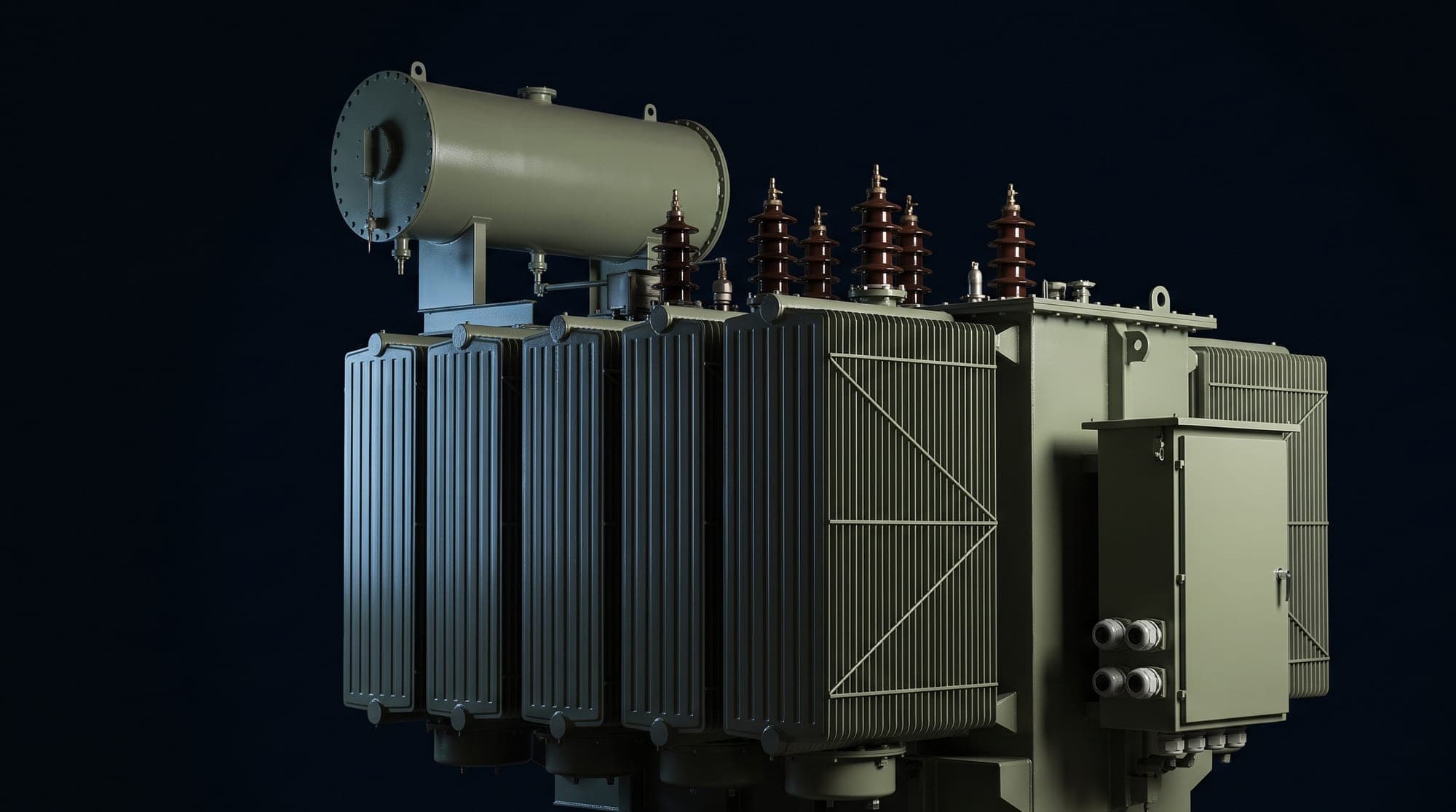
Higher-capacity units for substations and heavy industrial loads.
View product →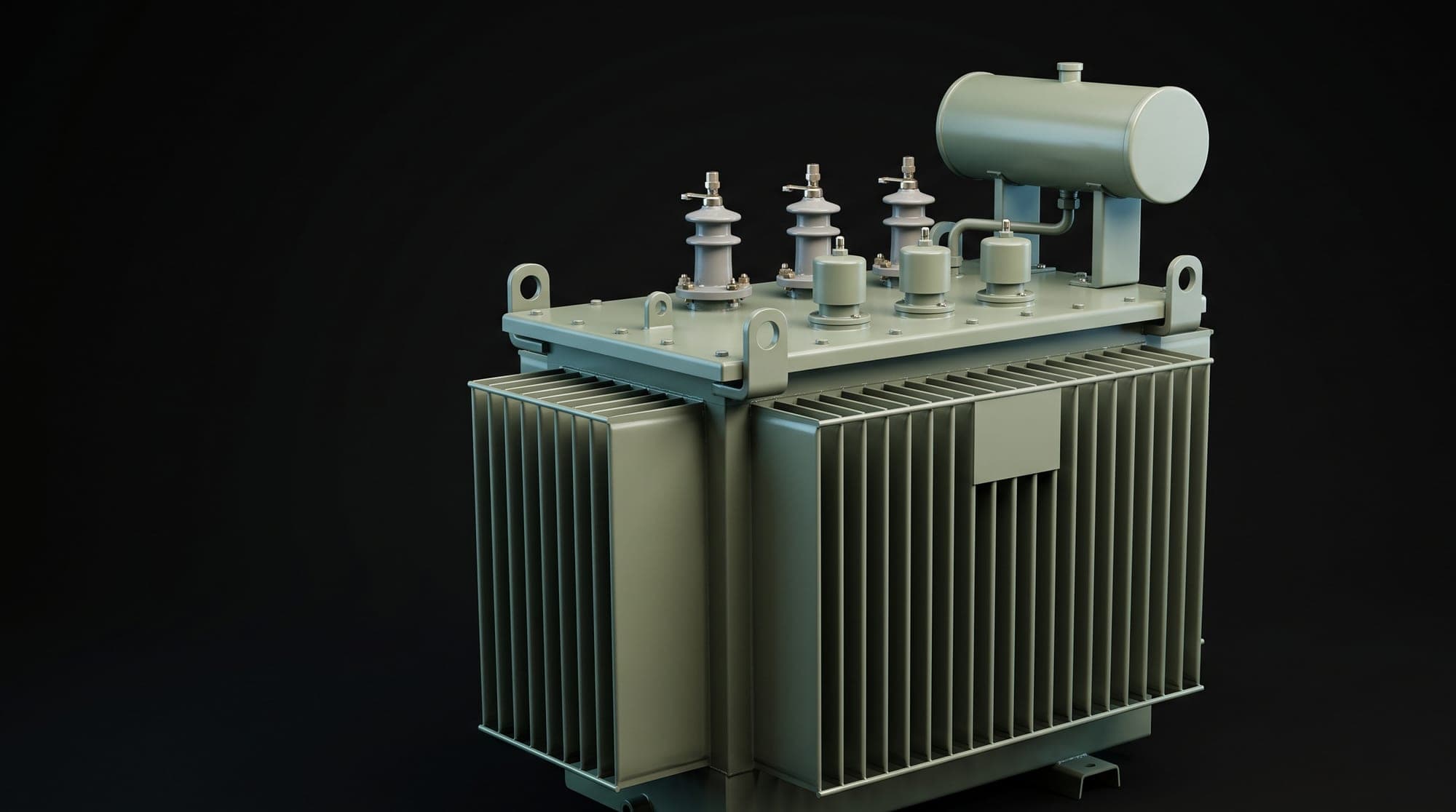
Oil-cooled units for distribution networks, built and tested in-house to IS : 1180.
View product →Knowledge Centre
Insulating oil is part of the insulation system, not just a coolant. Here is how it degrades, how to test it, and when filtration is the right answer.
Read article →Questions
By testing it, not by looking at it. Dielectric strength (BDV) is the headline figure — a falling BDV means moisture and particulates are accumulating. Oil that has darkened or smells burnt indicates a thermal problem and needs investigation rather than just filtration. The practical approach is to sample annually, plot the trend, and act when the trend turns rather than when a single reading crosses a line.
The work is done onsite with the unit in place, so there is no transport and no crane. Whether the transformer needs to be de-energised for the duration depends on the unit and the site conditions — tell us the arrangement and we will confirm before attending, because it is the part that affects your outage planning.
Filtration removes moisture and particulates, which covers the majority of cases. What it cannot reverse is chemical degradation of the oil itself — once the oil has oxidised and acidity has risen, filtration will not restore it and replacement is the correct answer. Testing distinguishes the two situations, which is why it comes first.
There is no universal interval, because it depends on loading, ambient conditions, breather maintenance and tank sealing. What is reliable is trending: sample annually, and let the rate of change tell you the interval. A unit whose BDV is stable year on year needs nothing; one that is falling steadily needs attention before it reaches the threshold.
Enquiries
Tell us the make, rating and what the problem is. For breakdowns, call the mobile number directly — it is the fastest route to an engineer.