Built for furnace duty
Designed around high secondary current and the repeated mechanical stress a melting cycle imposes.
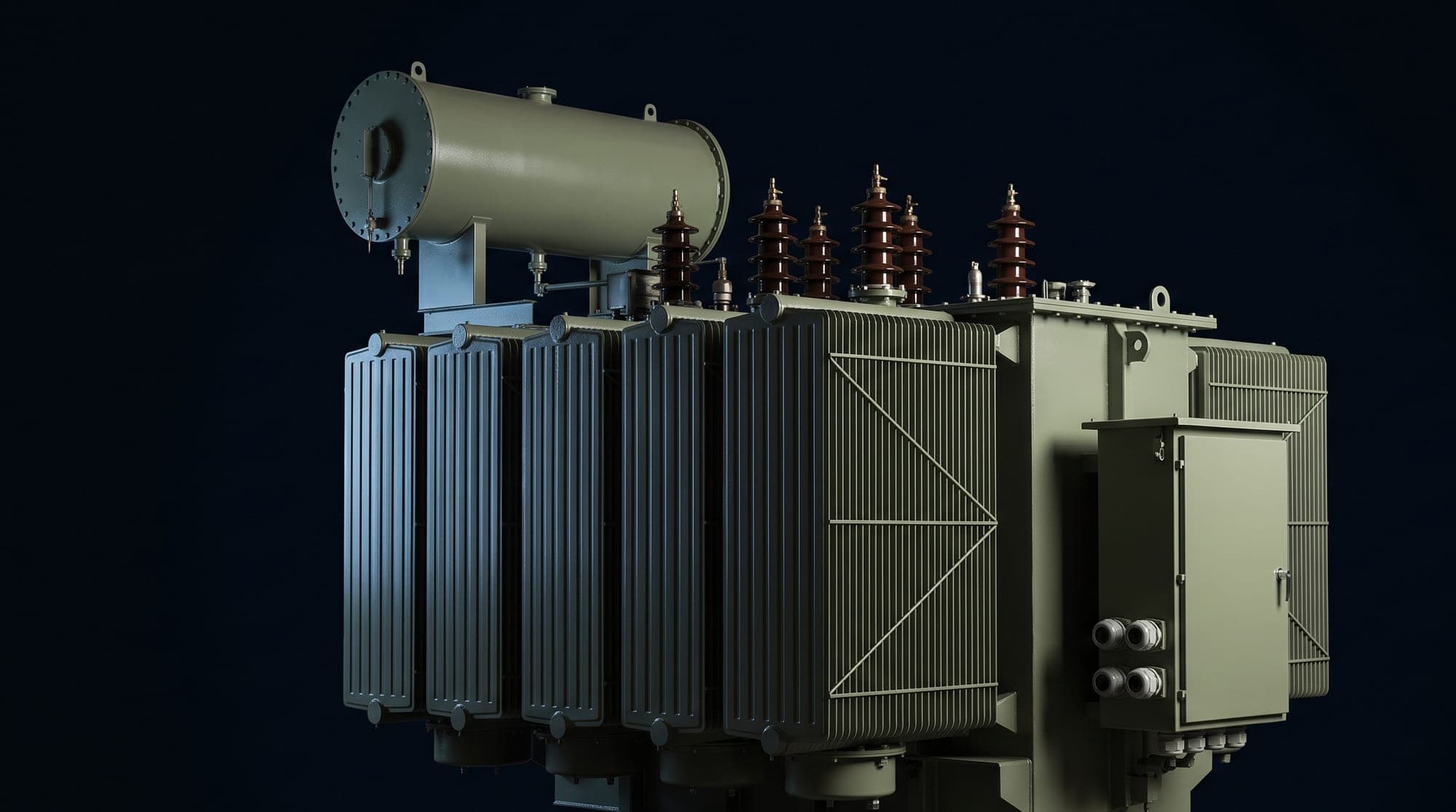
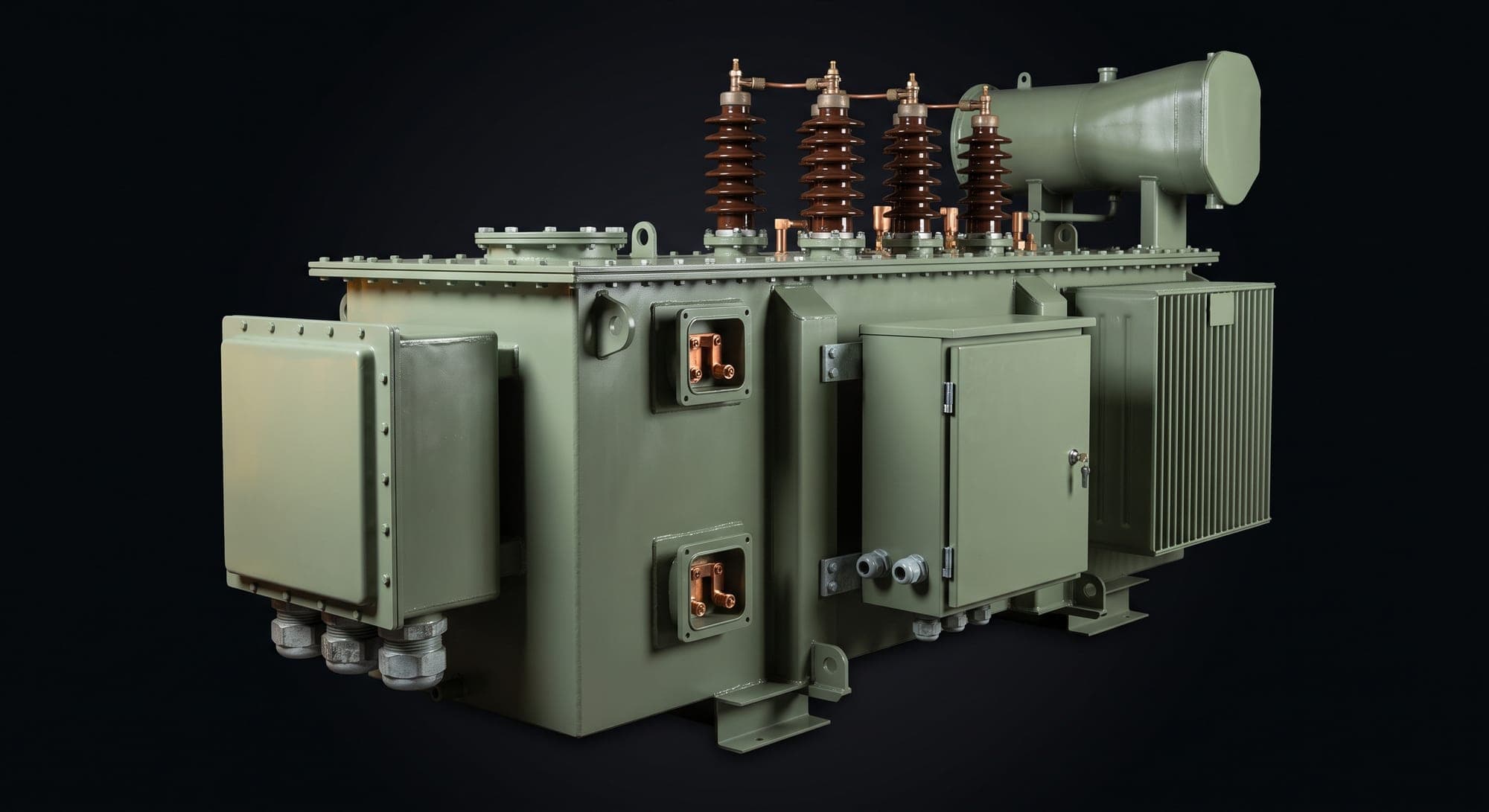
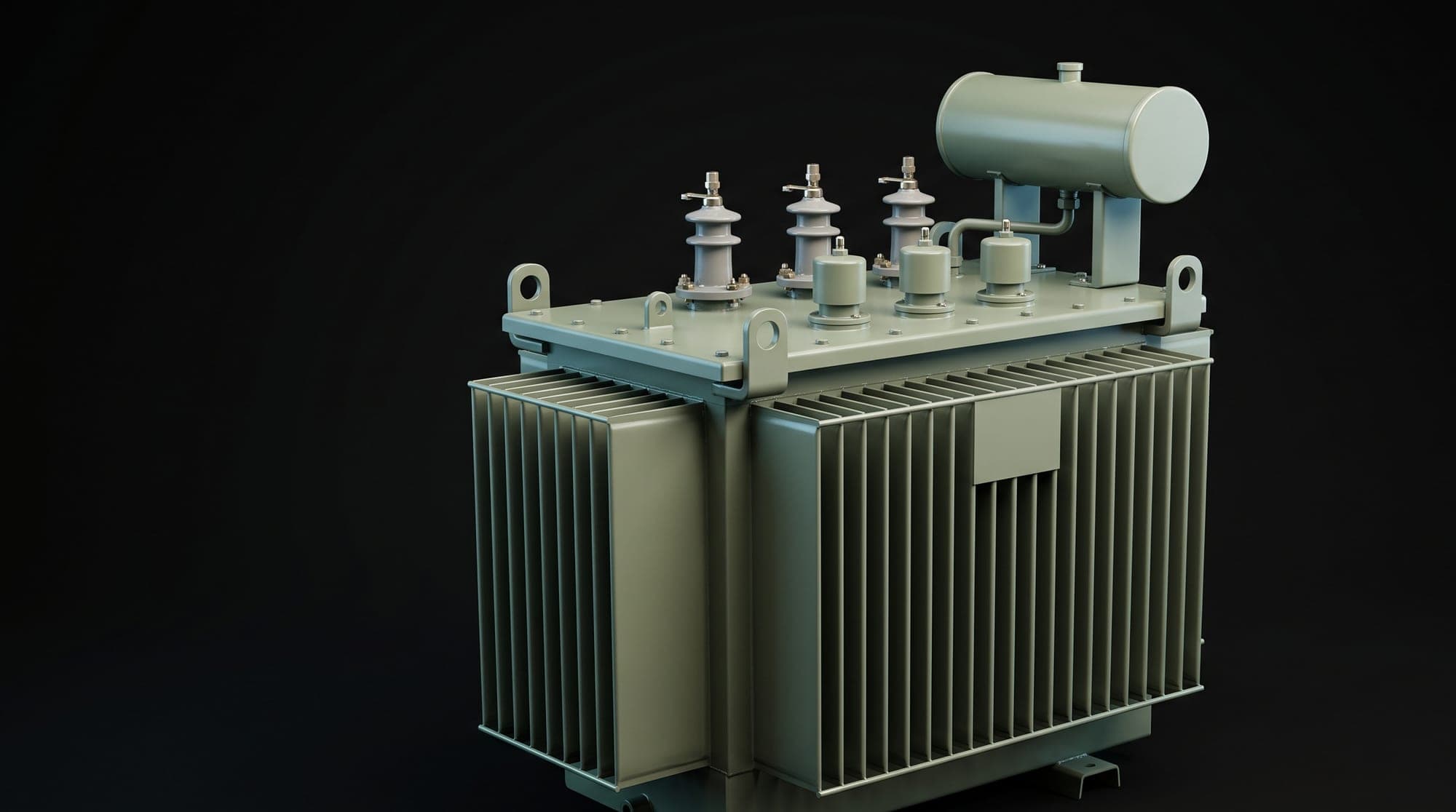
Illustration — representative of the product type
11 – 66 kV
Furnace transformers for induction and arc furnace duty — high secondary current at low voltage, built to withstand the repeated electrical and mechanical stress that furnace loads impose.
Overview
A furnace transformer does a fundamentally harder job than a distribution unit. It delivers very high current at low secondary voltage, into a load that is unbalanced, non-linear and constantly changing as the charge melts. Arc furnace duty in particular subjects the windings to repeated short-circuit forces that a general-purpose transformer is not designed to survive.
That drives the construction: heavier bracing on the low-voltage winding, conductor arrangements sized for the secondary current rather than the kVA, and a design margin against repeated through-faults rather than the occasional one.
Ratings, secondary voltage range and tapping arrangement are all application-specific and must be confirmed against your furnace.
Built to order. Send your required rating and voltage class and we will confirm against your specification.
Key features
Designed around high secondary current and the repeated mechanical stress a melting cycle imposes.
Low-voltage winding bracing sized for repeated through-fault forces, not occasional ones.
Furnace transformers work hard and eventually need attention; ours can be rewound at the works that built them.
Secondary voltage range and tapping arrangement set against your specific furnace, not from a catalogue.
Applications
The sectors this unit is specified for most often, and what each of them is actually solving for.
A works transformer runs closer to its rating for longer than almost anything on the network, and a failure stops production rather than inconveniencing consumers.
View sector →Corrosive atmospheres attack tanks, radiators and bushings far faster than they do inland, and the classified areas around a process plant put hard constraints on where an oil-filled unit may sit and how it must be contained.
View sector →Related
Service
Failed units returned to service, not replaced
Read more →Service
Our team at your substation
Read more →Knowledge
The dividing line is duty, not size. How load profile, loss economics and impedance decide which type a job actually needs.
Read article →Questions
Furnace loads are unbalanced, highly non-linear and subject the transformer to repeated short-circuit-level forces every time the charge shifts or the arc breaks. A general-purpose transformer is designed to survive an occasional through-fault, not thousands of them. Used on furnace duty it will typically fail mechanically at the low-voltage winding long before its insulation ages out.
The low-voltage winding carries very high current at low voltage, so the conductor arrangement and its bracing dominate the design. Clamping and support structures are substantially heavier, and the design is verified against repeated rather than single fault events. Tapping arrangements also tend to be wider, because the process needs the secondary voltage varied through the melt.
The furnace type and rating, required secondary voltage range and current, primary supply voltage, duty cycle, and whether tap changing needs to be on-load. The duty cycle matters as much as the rating — a unit that melts continuously is a different design problem from one that runs intermittently.
Yes. We repair and rewind transformers of all makes, and furnace units are among the more common repairs precisely because the duty is so severe. Send the rating plate details and a description of the fault.
Related products
Enquiries
Send us the rating, voltage class, vector group and quantity. For a like-for-like replacement, a photograph of the existing rating plate is usually enough.